

United States President Donald Trump has drawn criticism from Democrats and Republicans after waiving sanctions targeting Russia and countries that buy its oil and gas, days before the restrictions were due to take effect under a law he signed last month.
In an executive order signed on Friday, Trump said the waiver was in the US national interest. He did not specify when the restrictions might be introduced, saying they would remain suspended until he or senior officials determined further action was appropriate.
- list 1 of 3Trump puts on hold new Russia sanctions he signed into law
- list 2 of 3Ukraine pushes Russian forces back as US support wavers
- list 3 of 3Trump eases Russia oil sanctions, but is Europe still buying Moscow’s gas?
end of list
The move has been condemned by both Democrats and Republicans.
Republican Senator Thom Tillis of North Carolina called the decision “beyond irresponsible”, accusing the administration of capitulating to Russian President Vladimir Putin, who launched a full-scale invasion of Ukraine in 2022.
“What part of enforcing a law passed 86-11 by the Senate does the President and his advisers not understand?” Tillis wrote on social media on Saturday.
Republican Senator John Cornyn of Texas also criticised the move, saying the late Republican Senator Lindsey Graham of South Carolina, who championed the legislation, “would be appalled”.
Representative Don Beyer, a Virginia Democrat, said Trump’s move betrayed Ukraine and disregarded Congress’s intent to punish Russia for its invasion.
Democratic Senator Elizabeth Warren of Massachusetts accused Trump of “thumbing his nose” at Congress and enabling Putin to continue his war against Ukraine, urging colleagues to take action to reverse the decision.
Advertisement
The legislation, named after the deceased Senator Graham, was passed with overwhelming bipartisan support. It would have allowed tariffs of up to 100 percent on goods from countries that continued buying Russian oil and gas or helped Moscow evade sanctions. The bill was then signed into law by Trump last month. Before he unexpectedly died earlier this year, Graham had worked for about a year to get the legislation passed.
The decision came shortly after Trump agreed to a deal to buy Russian diesel in an effort to lower fuel prices, which have risen amid the US-Israeli war on Iran. Politicians from both parties have questioned whether the deal would meaningfully reduce energy costs while providing Moscow with revenue to support its war effort.
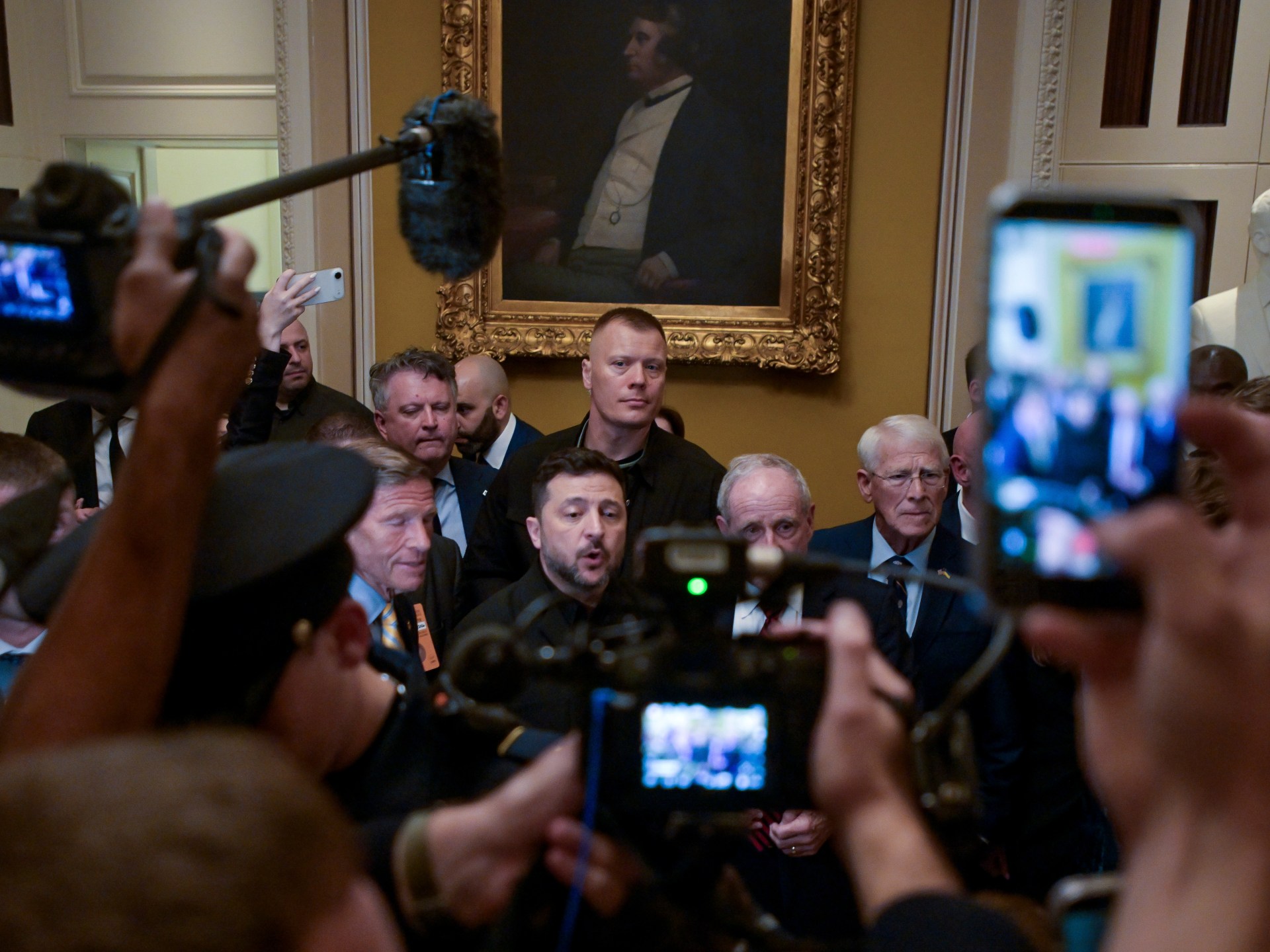
Ukrainian President Volodymyr Zelenskyy also criticised the sanctions waiver on Saturday, saying easing pressure on Russia would encourage further attacks.
“Financial rewards for Putin – all of this only encourages him to keep attacking,” Zelenskyy posted on X, urging the US to maintain pressure on Moscow.
Congress is in recess until after the November 3 midterm elections, limiting immediate opportunities to challenge Trump’s decision. Representative Gregory Meeks, the top Democrat on the House Foreign Affairs Committee, has introduced legislation to block the separate diesel deal with Russia.
Related News

Witnesses spot Eritrean troops inside northern Ethiopia as tensions flare

Child among seven killed by Israel in Gaza on ‘ceasefire’ anniversary

Israeli forces raid Palestinian NGOs and hospital in occupied West Bank