

Prosecutors have brought the first-ever charges in the United Kingdom against a man for his alleged role in the 1994 Rwanda genocide.
After a seven-year investigation, Vincent Brown, a 65-year-old doctor who was formerly known as Vincent Bajinya, was arrested and charged on Monday with one count of conduct ancillary to genocide and six offences of aiding crimes against humanity in Rwanda, prosecutors and local authorities said.
- list 1 of 4DR Congo joins countries pledging embassy move to Jerusalem
- list 2 of 4Hutu and Tutsi: The history behind the divide
- list 3 of 4Geneva talks put Rwanda-DRC peace deal to the test
- list 4 of 4DRC-Rwanda: Can Geneva talks break the cycle of war in eastern Congo?
end of list
“The charges relate to allegations that Dr Brown took part in the genocide against the Tutsi in Rwanda in 1994,” Frank Ferguson, head of the Crown Prosecution Service’s counterterror division, said in a statement. “He is alleged to have directed and incited acts of murder and genocide carried out by others.”
“This is the first time charges relating to the genocide against the Tutsi in Rwanda have been brought in the United Kingdom,” the statement added.
Brown was first arrested in 2006. His extradition to Rwanda, along with four other men, was refused by a UK court in 2017. Metropolitan police war crimes investigators then began looking into the case in 2019 at the request of the Rwandan government. Several other countries have already prosecuted suspects in the Rwandan genocide.
Originally from Kigali, Brown lives in London, where he once worked for a charity assisting refugee nurses and midwives seeking work in Britain.
He is believed to have entered the UK as an asylum seeker in 1998, former Rwandan Justice Minister Tharcisse Karugarama told the Associated Press news agency in 2006.
Advertisement
The doctor changed his name when granted UK citizenship in 2004, attorney Philip Eldin-Taylor said at the time.
Brown is due to appear at Westminster Magistrates’ Court on Tuesday.
Police said they are continuing to investigate several other Rwandan genocide suspects living in Britain.
“This case demonstrates the UK is not a safe haven for individuals suspected of committing international crimes,” Commander Helen Flanagan, head of counterterror policing, said.
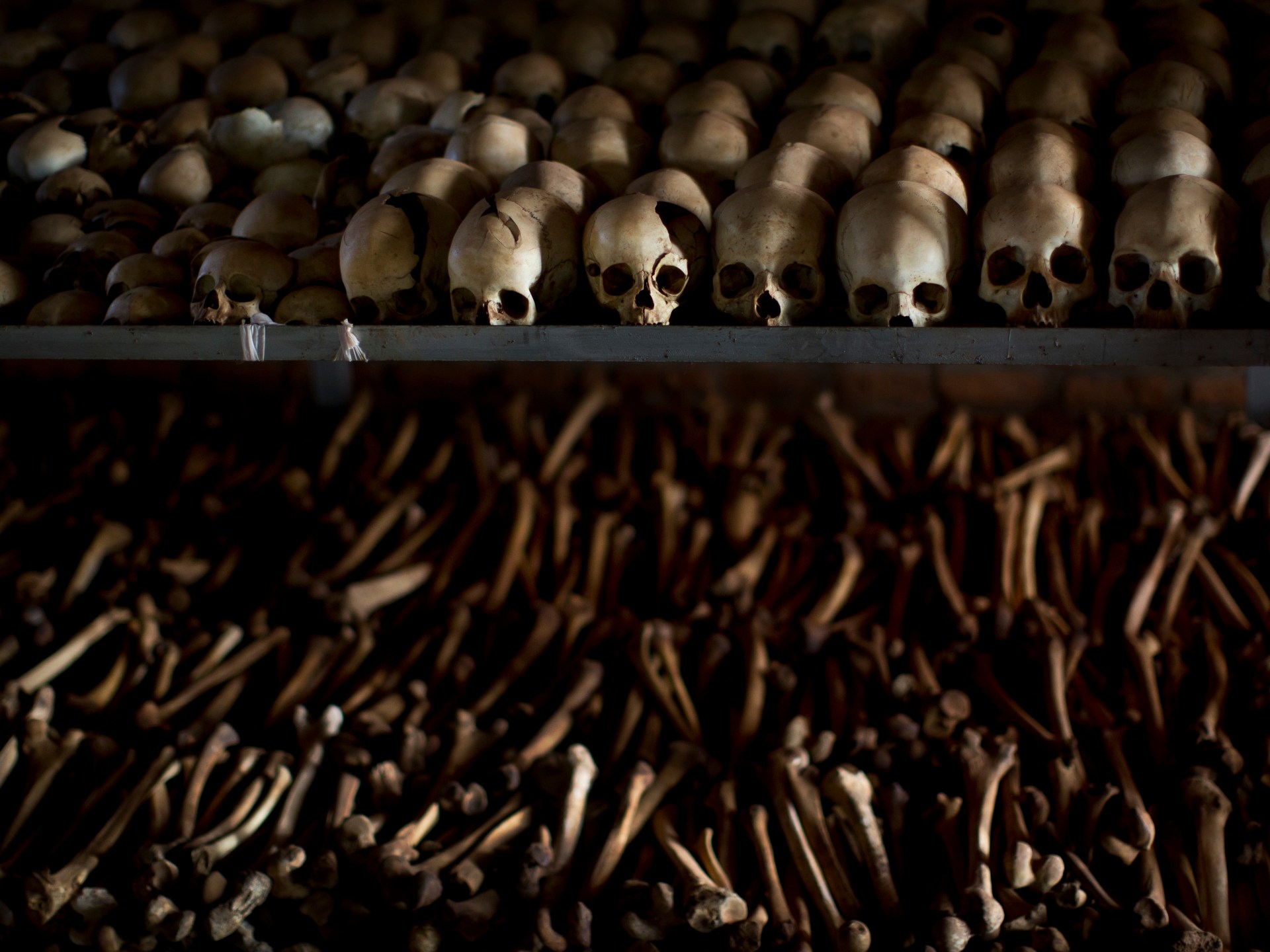
The Rwandan genocide saw an estimated 800,000 people, mostly Tutsis, killed in 100 days of slaughter.
Related News
US aid cuts threaten Ghana’s child immunisation gains

Qatar says reopening Strait of Hormuz ‘unconditionally’ is a priority

Iran war live: Trump vows to hit Iran hard following first clash in a month