
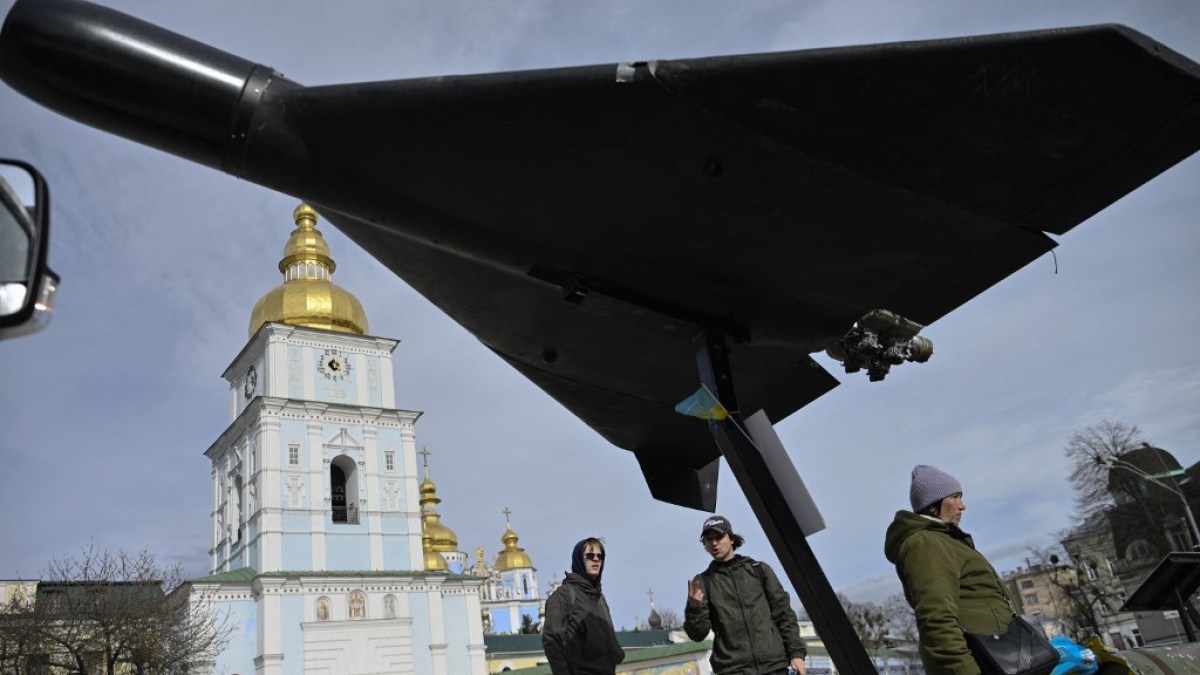

Russia’s President Vladimir Putin has announced a 32-hour ceasefire for Orthodox Easter, with President Volodymyr Zelenskyy confirming that Ukraine will honour it.
The Kremlin said on Thursday that the pause in fighting will begin at 4pm Moscow time (13:00GMT) on Saturday and run until midnight on Sunday, covering Easter celebrations observed in both countries.
- list 1 of 3UK says three Russian submarines tracked during ‘covert’ operation
- list 2 of 3‘Not some piece of ice’: Greenland hits back at Trump insult
- list 3 of 3Energy prices may take ‘months’ to normalise, despite ceasefire: Analysts
end of list
“We proceed on the basis that the Ukrainian side will follow the example of the Russian Federation,” the Kremlin said in a statement.
It added that Defence Minister Andrei Belousov had instructed Chief of the General Staff Valery Gerasimov to halt military operations during the period. Russian forces, however, would remain ready to respond to any violations.
Zelenskyy said Ukraine had already proposed a similar pause and would act in kind.
“Ukraine has repeatedly stated that we are ready for reciprocal steps. We proposed a ceasefire during the Easter holiday this year and will act accordingly,” he wrote on Telegram.
“People need an Easter without threats and a real move towards peace, and Russia has a chance not to return to attacks even after Easter.”
Hours after the announcement, the governor of Dnipropetrovsk region said Russian artillery and aerial attacks had killed two people.
“The enemy attacked three districts of the region almost 30 times with drones and artillery,” Oleksandr Ganzha said on Telegram on Friday.
This weekend’s planned ceasefire echoes a similar, short-lived pause declared by Moscow last year, which both sides accused each other of breaching.
Advertisement
The ceasefire comes as wider diplomatic efforts to end the war remain stalled, with attention in Washington shifting towards escalating tensions in the Middle East.
Kremlin spokesman Dmitry Peskov said Moscow had not discussed the Easter proposal in advance with the United States, nor did it signal any immediate revival of three-way peace talks.
Despite the limited pause, humanitarian channels between the two sides remain active. Speaking from Moscow, Al Jazeera’s Yulia Shapovalova said Russia and Ukraine recently carried out another exchange of soldiers’ remains.
“Moscow handed over the remains of 1,000 Ukrainian soldiers to Kiev in exchange for 41 bodies of the Russians,” she said.
“More than 500 bodies of Russian servicemen have been returned this year during these regular exchanges and over 19,000 bodies of Ukrainian soldiers have been returned to Kiev,” she added.
These exchanges, often mediated by Turkiye, remain one of the few functioning lines of communication between the warring sides, alongside periodic prisoner swaps.
Zelenskyy has repeatedly pushed for temporary ceasefires, including a halt to attacks on energy infrastructure, but said Moscow had largely rejected proposals. He added that Ukraine now faces growing pressure, both on the battlefield and from international partners.
“This spring–summer period will be quite difficult politically and diplomatically. There may be pressure on Ukraine,” Zelenskyy said. “There will also be pressure on the battlefield.”
He warned that the coming months could prove decisive, as Kyiv confronts both sustained Russian attacks and shifting geopolitical priorities among its allies.
“I believe it will be very difficult for us until September.”
Related News
Nepal’s ex-PM Oli detained over alleged role in deadly protest crackdown
Norway to add more than $11bn to defence budget over 10 years
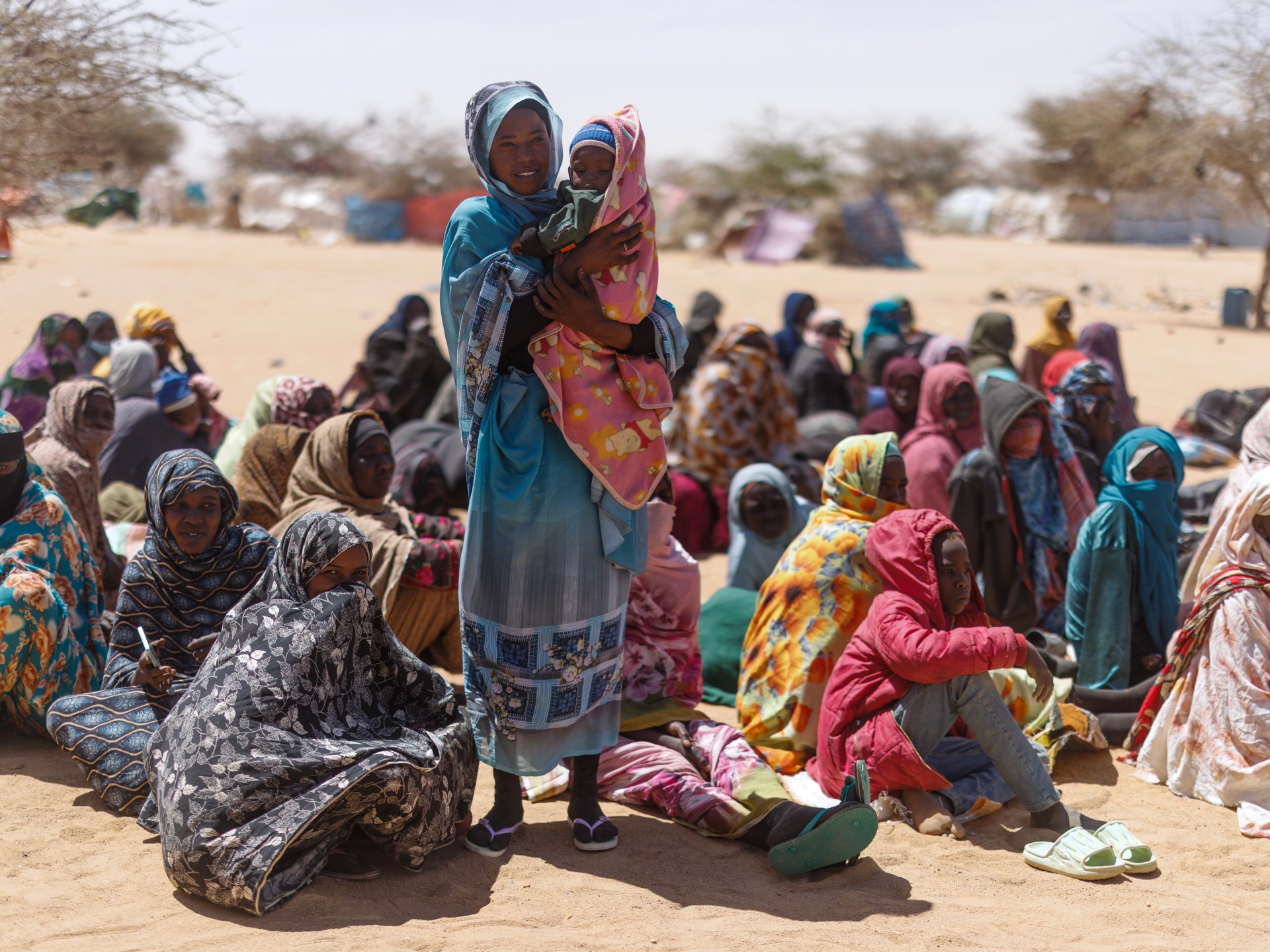
Sudan war ‘being fought on women’s bodies’: Survivors detail sexual assault