

The M23 armed group says it has agreed to a request from the United States to withdraw from the key town of Uvira in the eastern Democratic Republic of the Congo (DRC) after seizing it last week.
Corneille Nangaa, leader of the Alliance Fleuve Congo (AFC) rebel coalition, which includes the M23 group, posted a signed statement on X on Tuesday that confirmed fighters would withdraw from the town located in South Kivu province, near the border with Burundi, “as per United States mediation request”.
- list 1 of 3Residents emerge in DR Congo’s tense Uvira after M23 rebel takeover
- list 2 of 3Could violence in the DRC become a regional conflict?
- list 3 of 3Refugees describe neighbours killed as M23 cements control of key DRC city
end of list
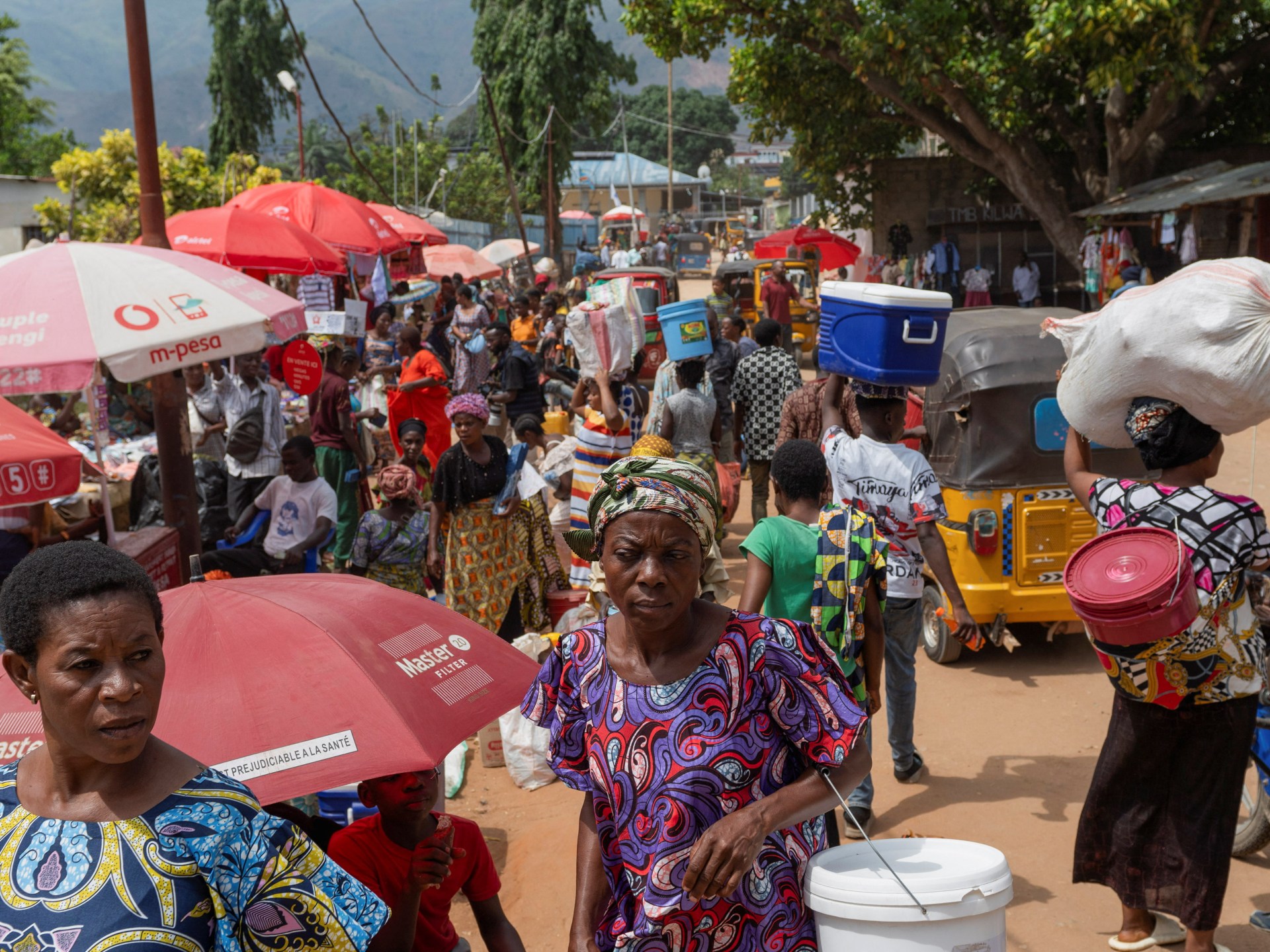
Reporting from Uvira, Al Jazeera’s Alain Uaykani said “nothing had changed” as of Tuesday morning, with M23 fighters still spotted in the town.
He noted the coalition had warned that the Congolese army and its allies had “exploited similar withdrawals to retake territory and target civilians perceived as sympathetic to the rebels”.
The Rwanda-backed militia seized the strategic town last week, imperilling a US-brokered peace agreement between Kinshasa and Kigali signed just days before, and a framework agreement for a peace deal signed by the group and the Congolese government in Qatar’s capital, Doha.
The coalition called the move a “unilateral trust-building measure” aimed at giving the “Doha peace process the maximum chance to succeed”, calling on “guarantors of the peace process” to oversee demilitarisation and protection of the town’s population and infrastructure, and to monitor the ceasefire with “the deployment of a neutral force”.
The Doha framework deal was agreed in November, establishing a roadmap to stop the deadly fighting and improve the humanitarian situation in the DRC. It was built on a declaration of principles signed in July on the monitoring of an eventual ceasefire that did not tackle questions over the M23’s withdrawal from the country.
Advertisement
The group’s capture of Uvira last week came after Congolese and Rwandan leaders signed a peace agreement in Washington, DC, amid much fanfare, leading US Secretary of State Marco Rubio to accuse Rwanda, which denies backing M23 rebels, of a “clear violation of the Washington Accords”.
The US would “take action to ensure promises made to the president are kept”, he said in a post on X.
Paul-Simon Handy, the East Africa regional director at the Institute for Security Studies, said M23’s actions in Uvira were “a negotiating tactic” by the group to create facts on the ground and push the DRC’s government “to make more territorial and economic concessions”.
He noted the withdrawal announcement was likely “a direct consequence of the very strong” reaction by the US. “I struggle to see the strategic objective they are trying to gain by aggrieving the main backer of the peace agreement,” he told Al Jazeera.
“Wanting to give peace a chance would have meant not taking over Uvira after the signing of the Washington and the Doha agreements,” Handy said. “Taking over and now saying we are withdrawing is a tactic we’ve seen … else[where] by the M23 – taking over territories, appearing to withdraw, to take them again.”
The rebels’ gains in Uvira, located on the shores of Lake Tanganyika, also brought conflict to the doorstep of Burundi, which has had troops in the eastern DRC for years, aggravating fears of further regional spillover of fighting that has already killed thousands of people and displaced hundreds of thousands more since January.
Related News

Trump announces $12bn package to aid farmers hurt by his tariffs
Tight special election race in deep-red Tennessee concerns US Republicans
Benin settles after failed coup attempt, but regional concerns remain