
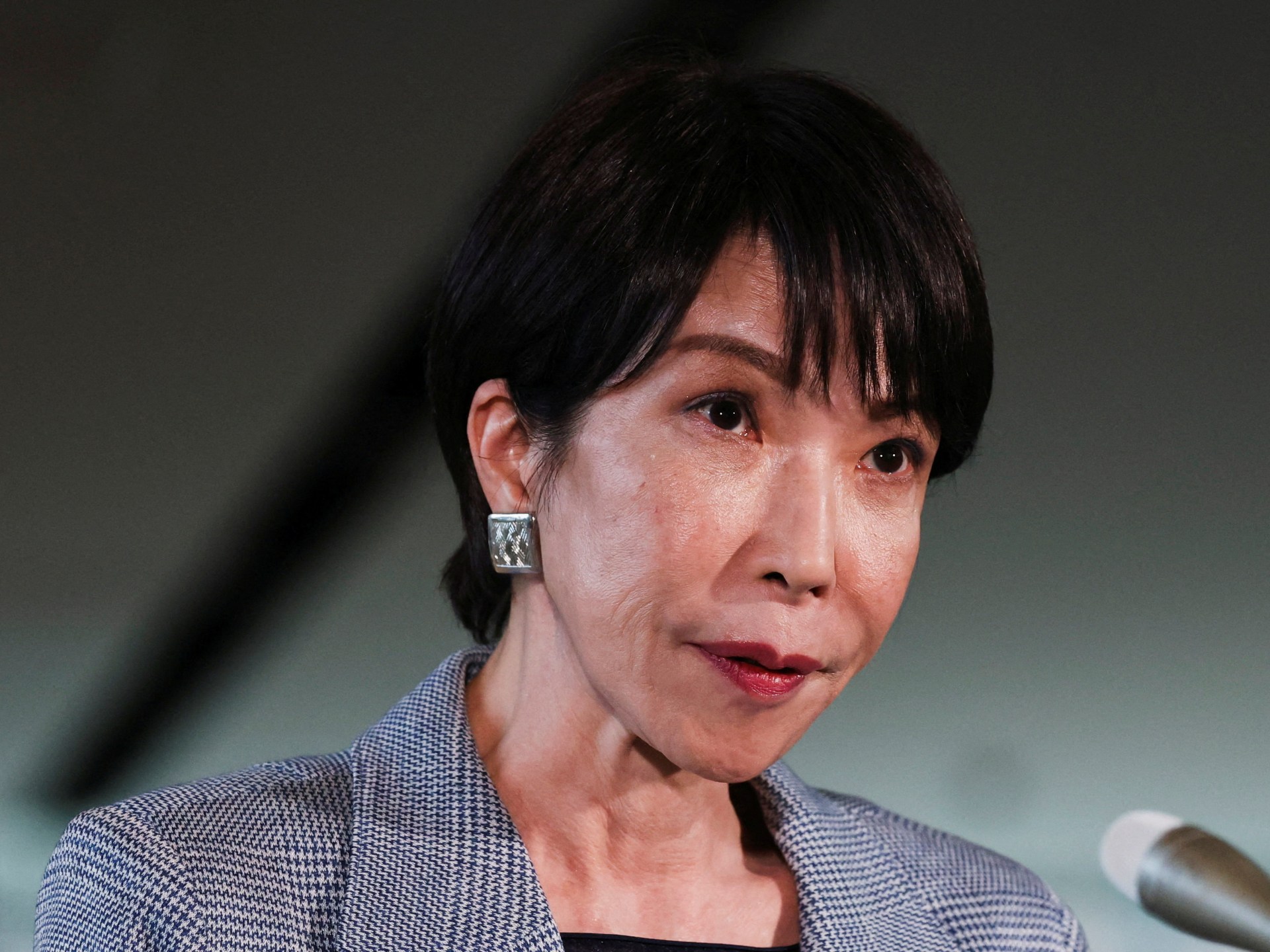

Japan and China have escalated their war of words at the United Nations following unprecedented remarks from Japanese Prime Minister Sanae Takaichi about Tokyo’s role in a potential Taiwan conflict.
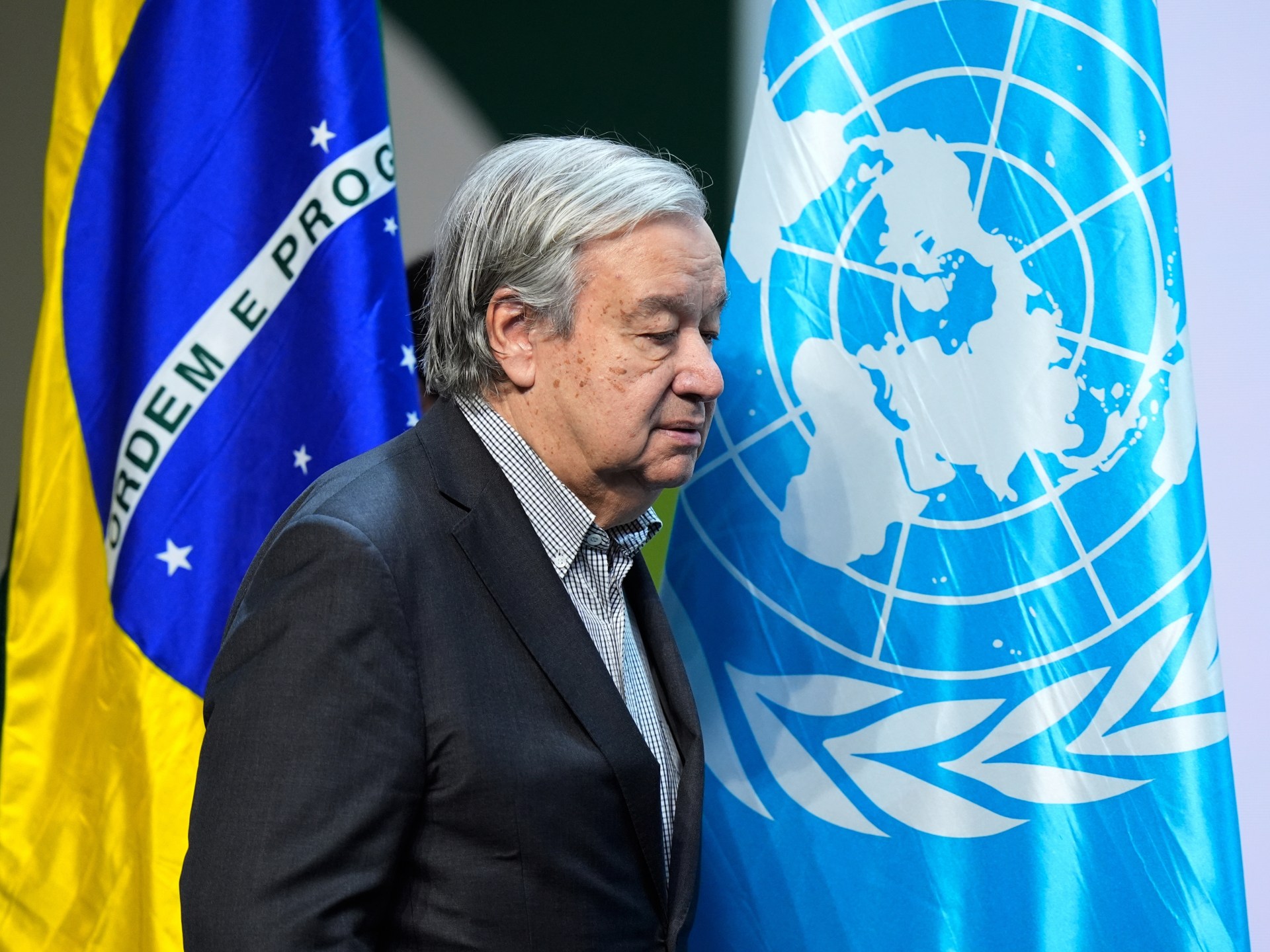
Japan’s ambassador to the UN wrote to Secretary-General Antonio Guterres on Thursday, disputing allegations from Beijing that Takaichi had violated “the basic norms governing international relations” while speaking to the Japanese Diet last month.
- list 1 of 4Honduran presidential candidate says Trump interfered in election: Report
- list 2 of 4The Take: Did Zuma’s daughter trick men into fighting for Russia?
- list 3 of 4Russia continues tech crackdown by blocking Snapchat, FaceTime access
- list 4 of 4Putin, Modi kick off India summit as trade, US sanctions loom large
end of list
“The assertions contained therein are inconsistent with the facts, unsubstantiated, and are categorically unacceptable,” UN ambassador Kazuyuki Yamazaki wrote.
The letter marks the second time Japan has written to Guterres on the issue in as many months. Both times were in response to separate letters from China to the UN about Takaichi.
The dispute began in November when Takaichi told Japanese legislators that should China ever use force against Taiwan, the move would constitute a “survival-threatening situation” for Japan, according to Japanese media.
Taiwan and Japan do not have diplomatic relations, but they are close neighbours and unofficial allies. Their legislators also regularly engage in party-to-party meetings.
Still, experts say that Takaichi’s comments marked a break in tradition for Tokyo, which is typically more circumspect on Taiwan issues.
“This has been the unofficial position of Japan and the unspoken position of Japan for many years, but prime ministers just don’t say it [out loud],” Jeffrey Hall, a lecturer in Japanese studies at Kanda University of International Studies, told Al Jazeera.
Advertisement
Taiwan, a self-ruled democracy, is claimed by Beijing, which has pledged to one day annex it by peace or by force amid an ongoing military modernisation campaign. Beijing considers issues surrounding Taiwan to fall within its internal affairs.
In addition to the UN letters, a Chinese diplomat in Osaka implied in a now-deleted social media post that Takaichi ‘s head should be cut off over her remarks on Taiwan, according to the Reuters news agency.
Chinese state media have also started posting articles questioning Japan’s claims to Okinawa and the Ryukyu Islands, in what has been described online as “geopolitical trolling”.
Takaichi, like her late mentor Prime Minister Shinzo Abe, has advocated for a stronger Japanese military – known as its “self-defence force” – and revising the country’s post-war pacifist constitution.
While the decision to rearm is still controversial within Japan, the recent dispute with China has helped to raise Takaichi’s popularity, according to Hall.
The Japanese public has been displeased that Beijing has tried to equate contemporary Japan with its World War II past, he told Al Jazeera, when the Empire of Japan brutally colonised large swaths of East and Southeast Asia.
Fu Cong, China’s permanent representative to the United Nations, alluded to Japan’s historical legacy in his second letter to the UN this week about Takaichi.
He called Takaichi’s remarks “erroneous”, adding they “openly challenge the victorious outcomes of World War II and the post-war international order and constitute a serious violation of the purposes and principles of the Charter of the United Nations”.
Related News
Hong Kong’s deadliest fire in 63 years: What we know and how it spread

Israel escalates aerial assault of southern, central Gaza past yellow line
Trump says US will soon stop Venezuelan drug trafficking ‘by land’