

Cuba has been hit by worsening power outages after the island’s communist government said fuel reserves had run out, as rare protests erupted in neighbourhoods around the capital, Havana.
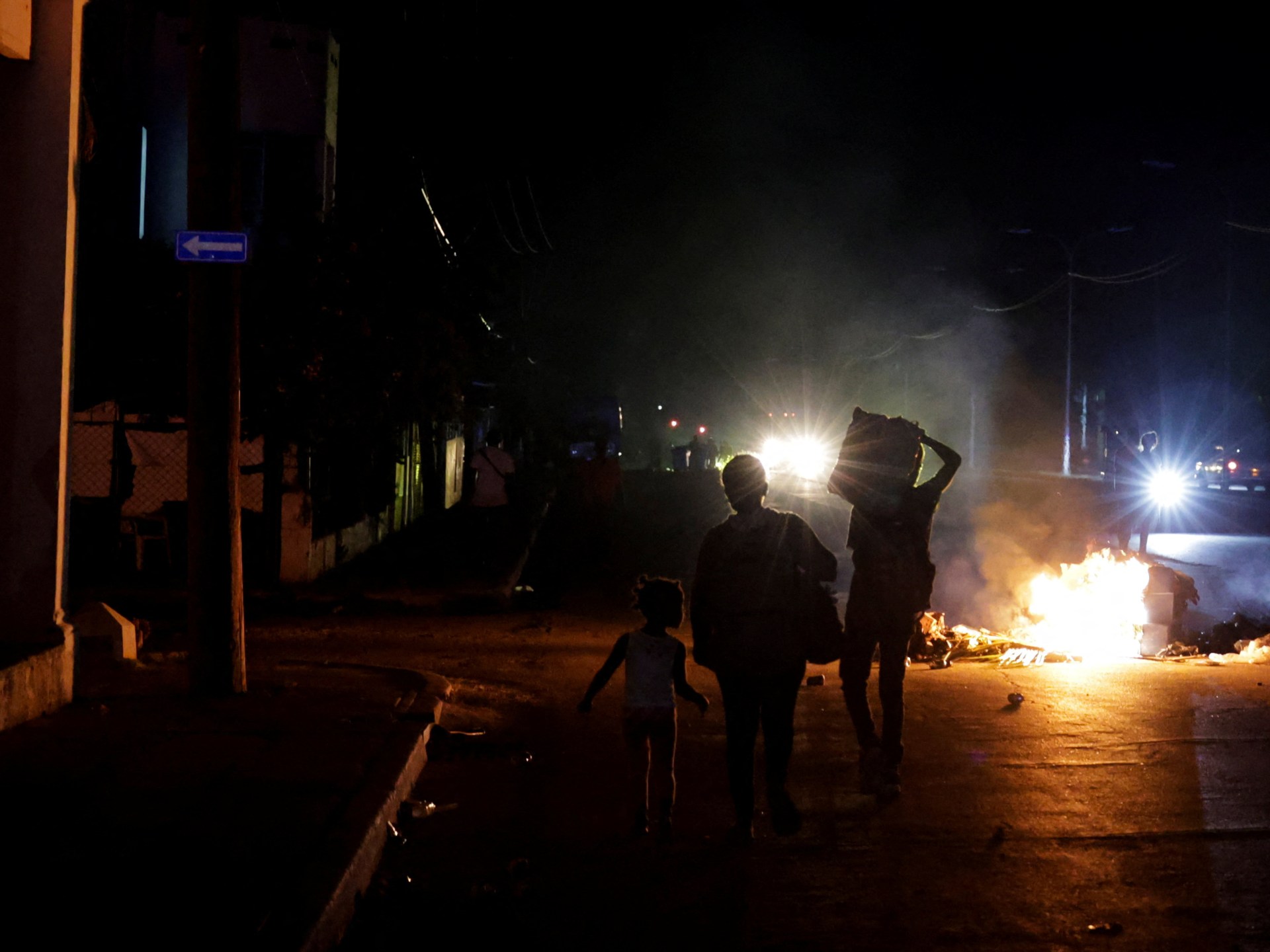
Large parts of eastern Cuba were plunged into darkness on Thursday in the latest round of nationwide electricity shutdowns, while demonstrations over the blackouts broke out in western areas near Havana.
- list 1 of 2‘It’s a failed nation’: Trump pressures Cuba as fuel crisis deepens
- list 2 of 2Trump administration offers $100m in aid to Cuba in exchange for reform
end of list
“We have absolutely no fuel, oil, and absolutely no diesel,” Energy Minister Vicente de la O Levy said during a late Wednesday news conference.
“The only thing we have is gas from our own wells, whose production has increased, and domestic crude oil, whose production is also rising,” he said, adding that Cuba was struggling to secure fuel imports.
“The situation is very tense. The impact of the blockade is causing us significant harm, and we are still not receiving fuel,” he added.
The island, home to about 10 million people, is relying on limited domestic fuel production and solar energy to keep parts of the grid operating, but the electrical system has become increasingly fragile.
Cuban President Miguel Diaz-Canel blamed the worsening crisis on US sanctions.
“The situation of the National Electric System has become particularly tense in recent days,” Diaz-Canel said in a statement on Wednesday, saying that the country was expected to face a deficit of more than 2,000 megawatts during the evening’s peak demand hours.
Diaz-Canel also said about 1,100 megawatts of power generation had already been lost on Wednesday due to fuel shortages, which he described as the result of a “genocidal energy blockade” imposed by the US and threats of tariffs against countries supplying fuel to Cuba.
Advertisement
A resident of San Miguel del Padron, a neighbourhood on the outskirts of Havana, told the AFP news agency that people had protested the power cuts by banging pots and pans on Wednesday evening.
Several other similar small protests were held in neighbourhoods across the capital to express widespread frustration, according to accounts gathered by AFP.
“Turn on the lights!” shouted residents in Playa, a district in the western part of the capital.

The island’s energy crisis worsened in January after the United States tightened restrictions on fuel shipments to Cuba, which officials in Havana describe as an oil blockade.
Since then, only one Russian tanker has reportedly reached the island, which has already been struggling with economic stagnation and chronic shortages of food, medicine and basic goods.
In some parts of Havana, residents have endured outages lasting more than 19 hours a day, while blackouts in several provinces have stretched through entire days.
Cuba’s electricity system depends on eight ageing thermoelectric plants, some operating for more than 40 years, that frequently break down or must be taken offline for maintenance.
Cubans have endured repeated nationwide blackouts since 2024, while fuel prices have soared amid the deepening crisis.
US Secretary of State Marco Rubio renewed an offer of $100m in aid for Cuba, on the condition that the assistance be distributed through the Catholic Church rather than the Cuban government.
“We are ready to hear the details of the proposal and how it would be implemented,” Cuba’s Foreign Minister Bruno Rodriguez said on social media, signalling cautious openness to discussions despite escalating tensions between Havana and Washington.
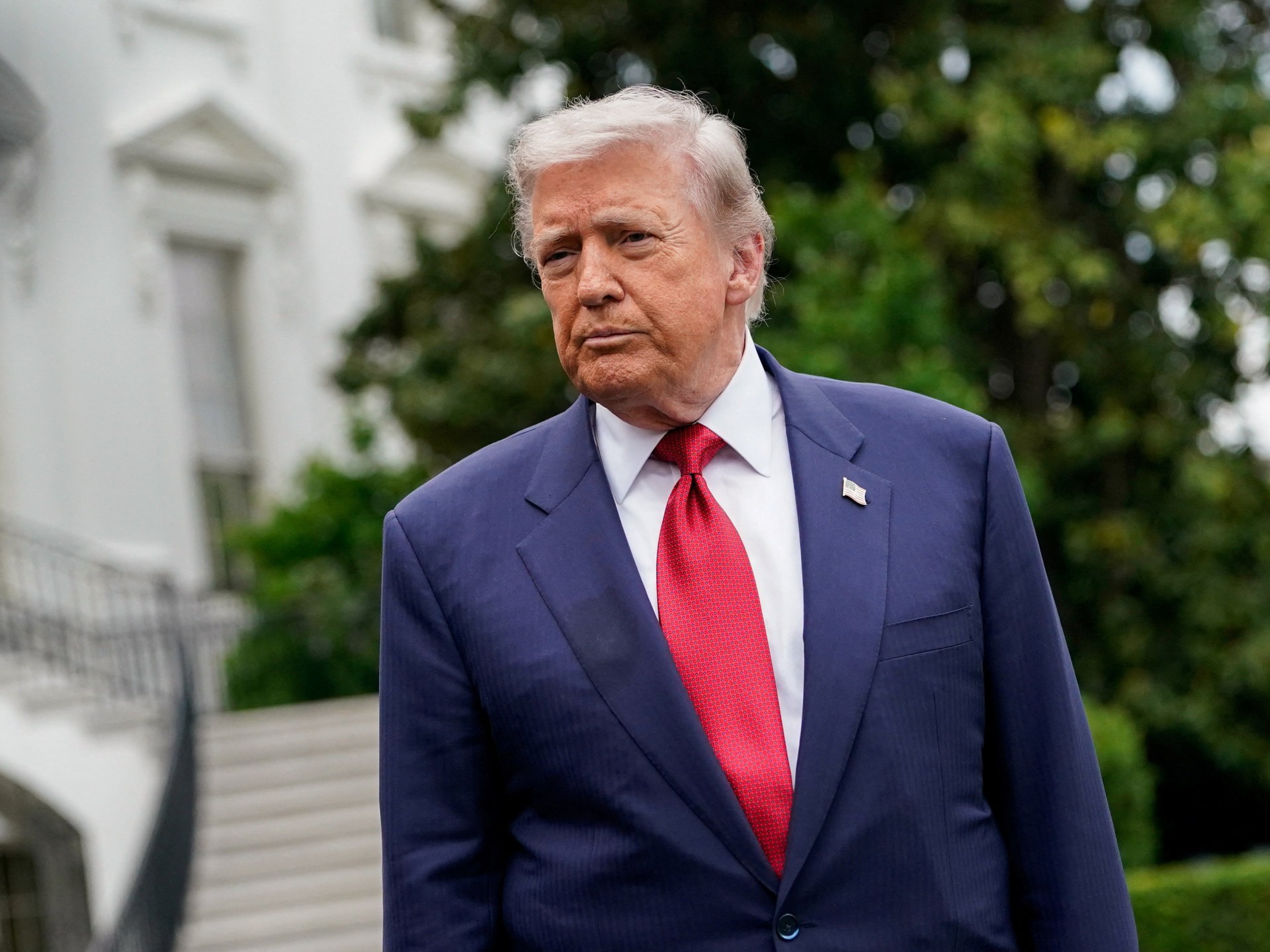
US President Donald Trump, who has intensified pressure on Havana this year, has also suggested that Cuba could eventually become the next target of US efforts to force political change on the island.
Related News
Indiana, Ohio primaries draw midterm battle lines, reinforce Trump’s pull
Hormuz effect? How US, China are ramping up tensions over the Panama Canal
Parent company of Trump’s Truth Social site reports $400m loss this year