
When Deportation Hits Home: The Economic Ripple Effect On Black Caribbean Immigrant Families
 04 October 2026
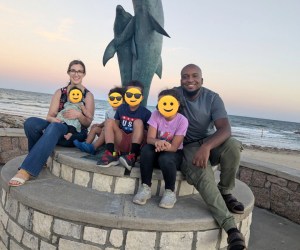


News Americas, NY, NY, Oct. 3, 2026: In Minneapolis, Caribbean immigrant and U.S. citizen Choupa Charlemagne and his American-born wife Kelsey were already raising four children when changes in immigration status and work authorization pushed their extended family into crisis. Now, they say they are helping support at least 11 Haitian relatives and friends who have lost work authorization or face immigration proceedings.
Two young Haitian men they helped settle in the United States after arriving through humanitarian parole now face October court dates and thousands of dollars in legal fees. The couple launched GoFundMe campaigns to help with those costs and possible emergency relocation. Kelsey returned to work, while she and Choupa also started a car-rental business as relatives lost their ability to earn.
“We’re literally hanging by a thread here,” Kelsey told News Americas Now.
The ripple extends beyond Minnesota. Choupa said the couple had helped relatives in Haiti, including a cousin studying law, but mounting U.S. expenses forced that support to stop. The cousin could not continue his second year of college. “All of that stops now because now I have more pressing situations on my hands,” Choupa said.
In Pennsylvania, Omara, who asked that only her first name be used, faces another rupture. Her husband, Haitian-born Pastor Molis Augustave, was deported to Haiti on Sept. 24, leaving her and their two U.S.-citizen children behind. Before his detention, she said, Augustave supported her financially through nursing school and helped care for their children. “His absence has made everything very much harder,” she said.

Jamaican-born Philadelphia faith leader Pastor Christopher Neilson described another case involving Constance L., a Jamaican-born green card holder detained in Pennsylvania who had been caring for her mother. Her mother is now in a facility, while other parts of Constance’s life – including her assets and engagement – have also been disrupted. “The detentions impact families,” Neilson said.
Jossie Flor Sapunar, national communications director for We Are CASA, said housing can quickly become the first pressure point. “That big bill, $2,000, $3,000, that was in the past covered by two people working, you have to find a way to make it happen with just one,” she said.
The effects reach businesses too. Choupa described a Haitian-owned auto shop struggling to hire Haitian workers who had lost work authorization. Irwine Clare Sr., founder of Caribbean Immigrant Services, said an immigration raid at one restaurant left other workers too fearful to return, forcing the business to close.
Immigration Research Initiative director David Dyssegaard Kallick said economic damage can also reach U.S.-born workers as businesses lose employees and customers reduce spending.
A Flatbush-Nostrand Avenue Business Improvement District survey in Brooklyn found 70 percent of surveyed businesses reported decreased foot traffic, half said customers had raised ICE concerns, and one-third anticipated workforce reductions.

“What’s often overlooked is that immigration enforcement is a humanitarian issue with serious implications for a household’s economic system, not just a legal proceeding,” said Jamaican-born attorney Beverly Clarke. She said legal fees, lost wages, childcare, and transportation costs can add up quickly.
For Choupa, immigration status may belong to one person, but its economic consequences rarely do. “We are deeply impacted in ways that are not imaginable,” he said.
Related News

Guyana – AG Says Police Shouldn’t Impound Cars For Minor Offenses. The Opposition Lead...
Can Guyana Turn A UN Crisis Into A Diplomatic Opportunity?

President Ali Claims Guyana’s Oil Share Is 39.8%, But BOG Data Suggests Less Than 30%