

At least one million women and girls have been cut off from life-saving support over the last 18 months due to global aid cuts, according to new findings by the United Nations.
Published on Friday, the UN Women report found that although organisations serving women and girls have seen a rise in demand for services in the past year, 90 percent say they cannot meet needs on the ground as funding has evaporated.
- list 1 of 4How World Bank and IMF loans are reshaping policymaking in Africa
- list 2 of 4An AIDS-free generation is within reach, but not guaranteed
- list 3 of 4How Trump cuts could threaten US science leadership
- list 4 of 4IMF cuts 2026 world growth forecast, citing Iran war fallout
end of list
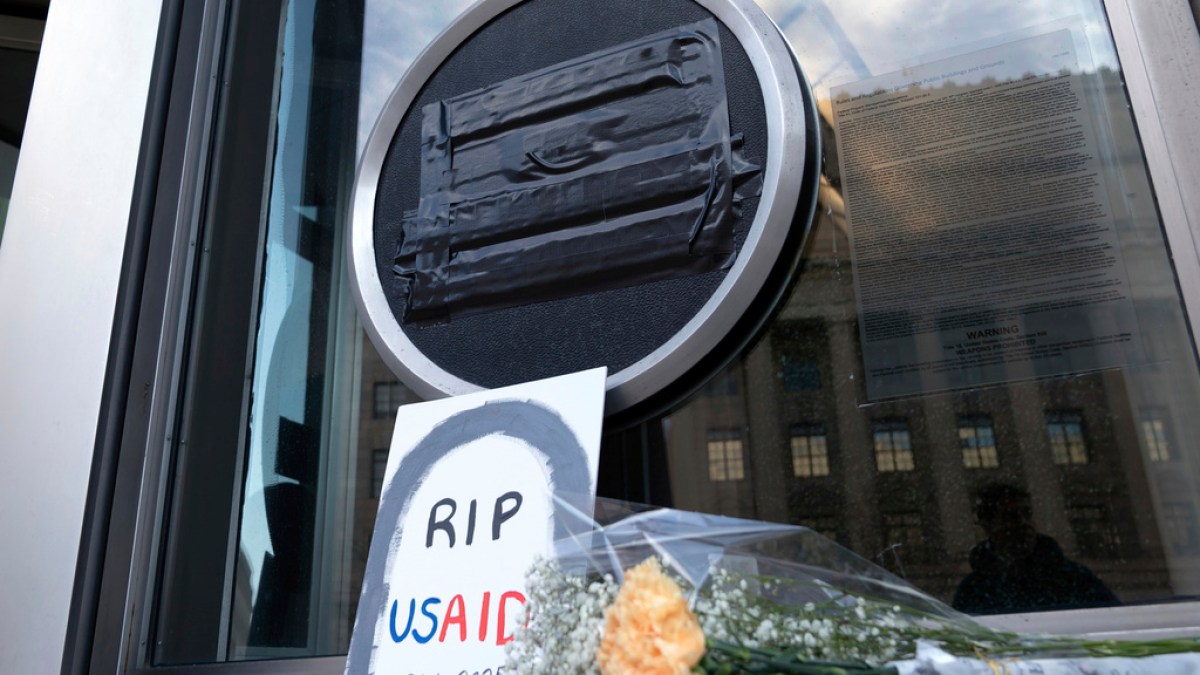
The United States was previously the largest aid donor in the world. However, President Donald Trump’s administration slashed billions in foreign aid upon resuming office in January 2025.
As the US Agency for International Development (USAID) was dismantled, Washington’s foreign aid dropped by more than 50 percent, according to the Organisation for Economic Co-operation and Development (OECD).
Other major donors to global support, including Germany, France and the United Kingdom, have cut donations as well, largely due to domestic burdens, as well as pressure to increase defence spending.
“The women’s organizations at risk of being shut down are on the frontlines of the world’s most severe humanitarian crises,” Sofia Calltorp, UN Women’s chief of humanitarian action, said in a statement.
“Every dollar withdrawn from women’s organizations is a dollar withdrawn from survivors of conflict-related sexual violence, displaced mothers, girls forced from school, and communities struggling to survive,” she added.
The UN report surveyed 855 women’s organisations across 52 vulnerable countries, including the Democratic Republic of the Congo, Haiti and Afghanistan, and found that 40 percent face temporary or permanent shutdowns within the next year due to low funding.
Advertisement
Sixty percent said they were reaching fewer women and girls since last January despite increased needs.
Half of the organisations surveyed said they have had to put people on waiting lists or turned women and girls away. Nearly all said women they served were getting poorer and girls were dropping out of school.
Even as conflict-related sexual violence doubled in the past year, 62 percent of organisations report no longer having safe spaces and reducing gender-based violence services.
Related News

Netanyahu says his ties with Trump are ‘fine’, takes aim at Turkiye
Armed attackers kill more than 20 in northwest Nigeria

UK left-wing MP Diane Abbott reinstated by Labour Party after suspension