

That said, the Petro government did manage to mint deals with several prominent armed groups.
In 2023, for instance, it struck ceasefires with the Clan del Golfo and the Estado Mayor Central (EMC), a FARC offshoot.
Within months, however, several agreements had already begun to break down amid attacks on security forces and renewed violence in key regions.
Florez, the think tank director, notes that Petro approached these negotiations differently than some of his predecessors.
His government engaged multiple groups in talks simultaneously — both rebels and criminal networks — and his negotiators were quick to seek ceasefires, rather than waiting to iron out more detailed peace frameworks.
“This caused a lot of disorder in state offensive operations," Florez said. Military leaders, he explained, "did not know whether [they] could act or against whom".
Florez added that the negotiators became overstretched, juggling too many parallel talks.
“You have to try new things — but ultimately, it didn’t work," he said.
Some critics, particularly on the right, believe the strategy ultimately backfired. They argue that the negotiations — and the on-again, off-again ceasefires — gave criminal networks and rebel groups time to reorganise and consolidate territory. That, in turn, weakened the government's hand.
Laura Bonilla, the deputy director of the Fundación Paz y Reconciliación (PARES), a research nonprofit, is among those with reservations about "Total Peace". She believes the policy has not worked as intended.
However, she believes the plan has become a “political scapegoat”, particularly in Colombia's heated election season.
“It was very poorly implemented," Bonilla said, “but groups do not grow because of dialogue. They grow because of money, resources and people."
The solution, she added, is not to abandon negotiations entirely, but to explore other avenues for pressuring armed groups, including by attacking their financial underpinnings.
She would also like to see clearer boundaries established between peace talks and state security initiatives.
"Many people blame Petro or Total Peace for insecurity, but that is not correct. Total Peace is not responsible for that," she said. "The mistake was making expectations too high, which created huge disappointment."
Related News
Trump shifts between diplomacy and threats in Iran standoff
How Philadelphia’s Democratic primary tests the bounds of US progressivism
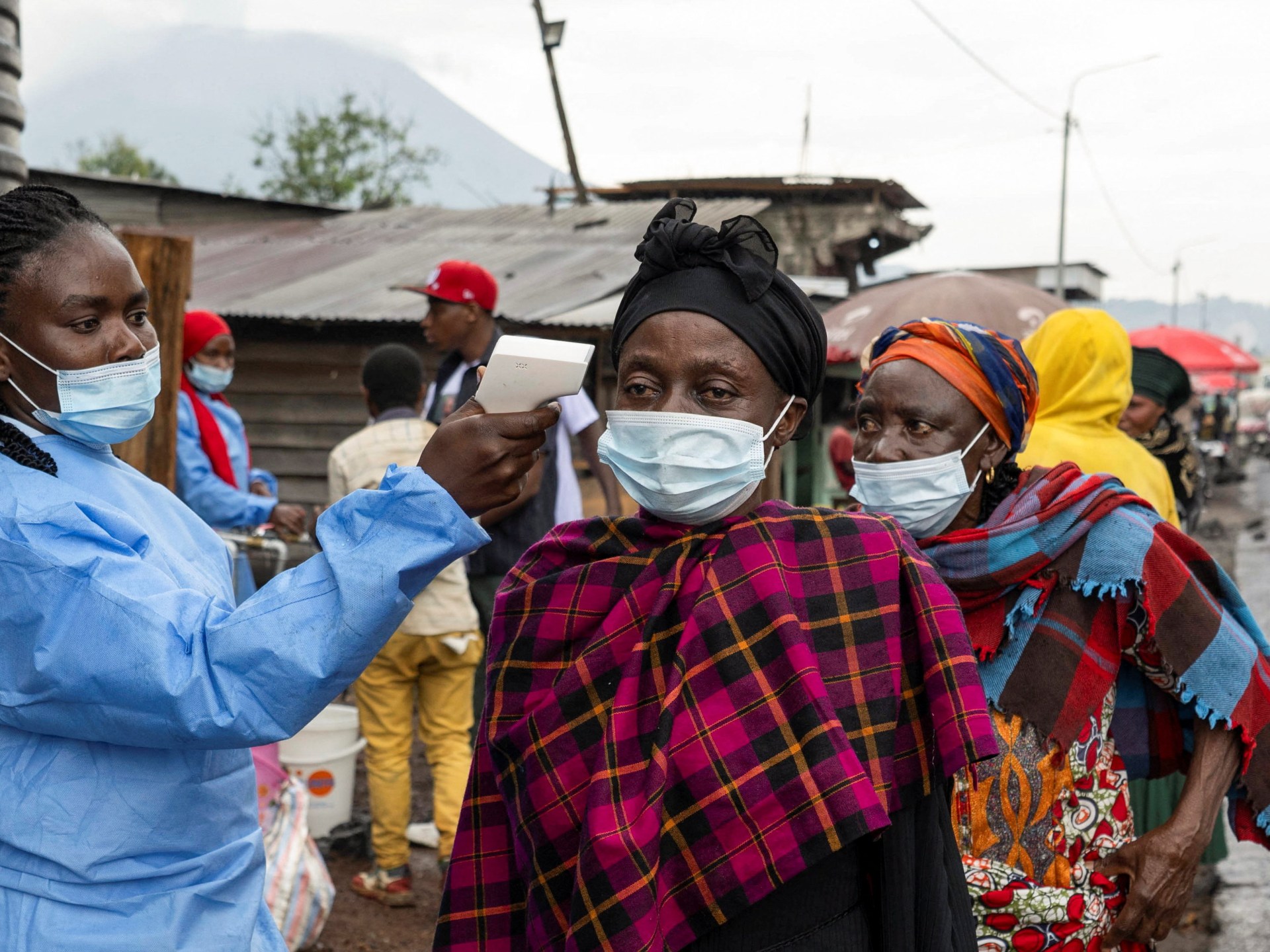
WHO chief says suspected Ebola deaths at 220 as epidemic ‘outpacing us’