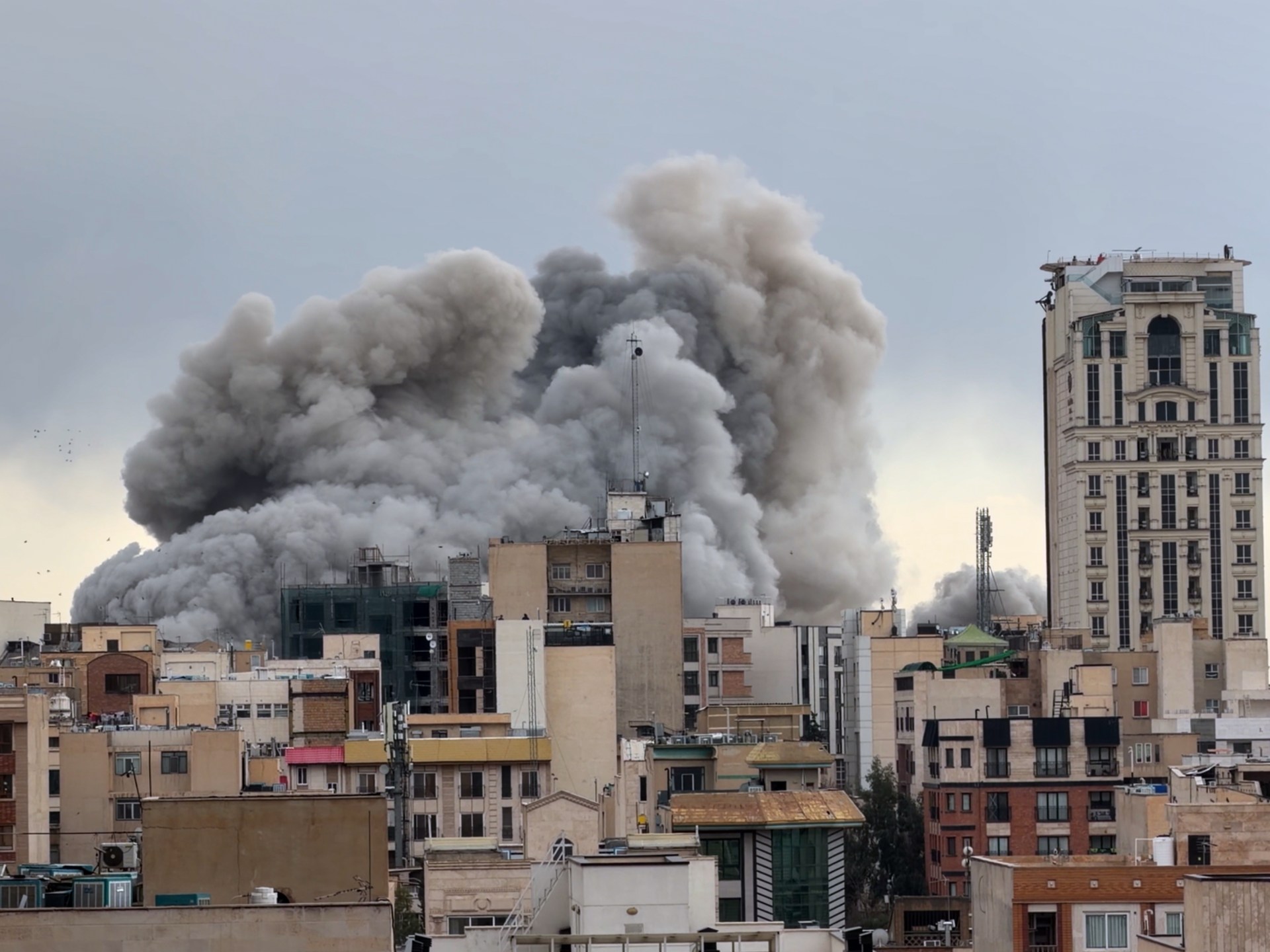
Ceasefire brings some relief for Iranians but economic outlook remains grim
 11 April 2026
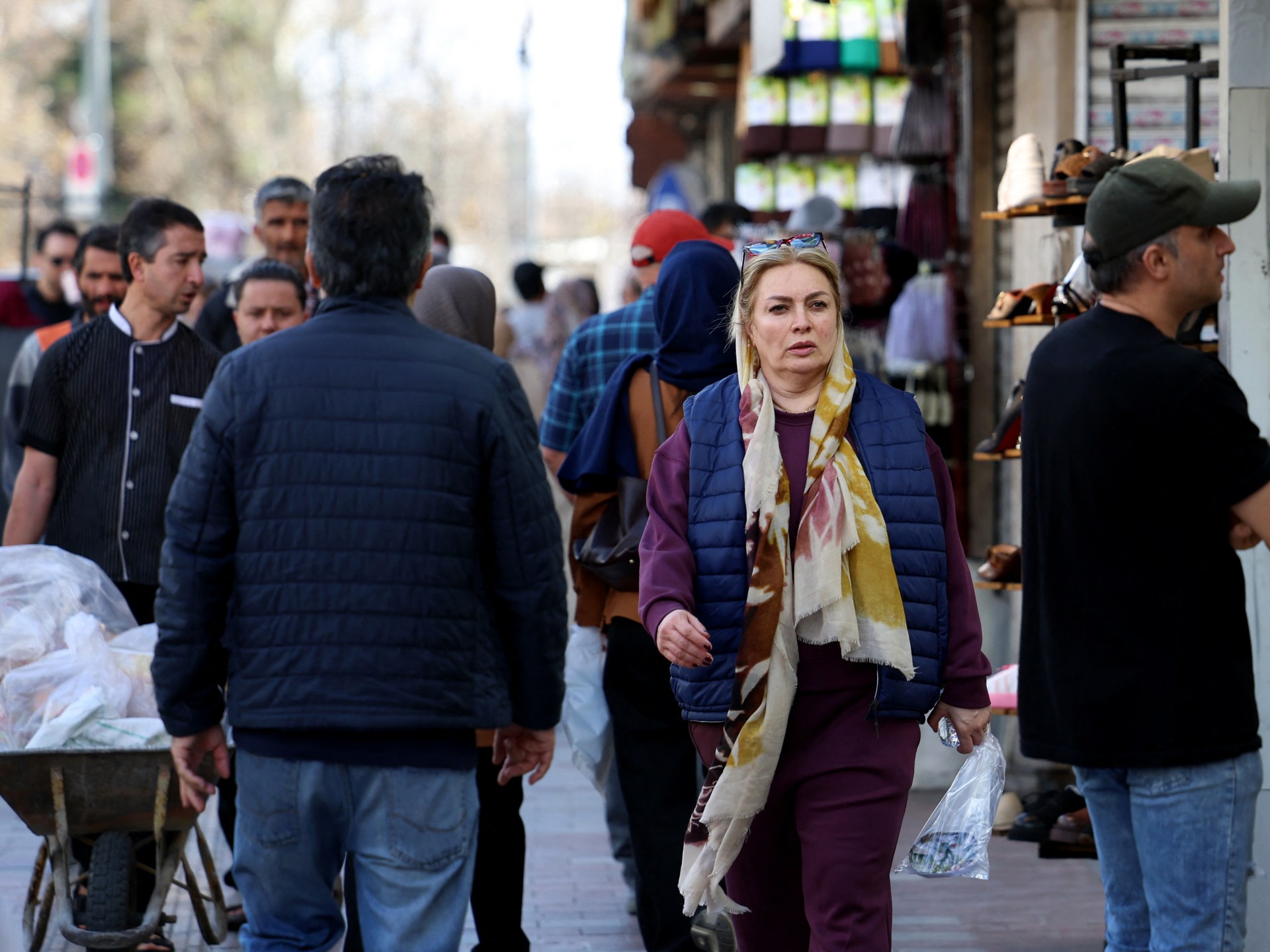

Tehran, Iran – More people in Iran are returning to work this week as a pause in fighting provides temporary respite from bombardment by the United States and Israel, but the economic outlook remains grim for most.
In the network of narrow corridors, workshops and warehouses in Tehran’s Grand Bazaar, a commercial hub in the capital, more shops were open and for longer hours on Saturday, the first day of the working week, compared with before the ceasefire announced overnight into Wednesday.
- list 1 of 3US-Iran direct talks on ending war under way in Pakistan
- list 2 of 3Iran war day 43: What’s happening in Lebanon, Middle East and beyond?
- list 3 of 3Islamabad on lockdown ahead of US-Iran talks
end of list
Sales, however, continued to be slow compared with the period before the war, merchants said.
“It’s almost complete stagnation,” said a vendor, who works in the section of the bazaar selling metal goods, tools and light industrial items.
“We received new price listings for some of the products from wholesalers today, everything is about 20-30 percent more expensive” compared with listings in late January, he told Al Jazeera, adding that it was unclear when, whether, how much or at what prices new goods could be imported in the future due to the war.
The January prices, he said, also signified a similar jump compared with earlier months as they were affected by rampant inflation made worse after weeks of nationwide protests, during which thousands were killed, and the state imposed 20 days of near-total internet blackout across the country.
The Islamic Republic has imposed another near-total internet shutdown since the start of the war on February 28, which has caused countless more income streams to be wiped out for families trying to survive the bombs falling on their cities and the declining economy.
“I don’t understand how none of the authorities seem to be thinking that the internet is also crucial civilian infrastructure like the power plants being threatened by the US,” said a young woman based in Tehran, in reference to fears last week amid apocalyptic rhetoric employed by President Donald Trump.
Advertisement
She is an online English teacher who tutored students using Google Meet, now forced to use local state-run platforms that work on a rudimentary intranet, which serves to keep services from total collapse absent the global internet.
She said the local messaging services and other platforms are unsafe from a security and data encryption standpoint, and most of them only allow people connecting through an Iranian internet protocol (IP) to have access, which excludes her foreign-based students who have left Iran in pursuit of a better life.

The vendor at the Grand Bazaar also said their online sales have dropped to nearly zero, because customers have no way of finding their website except through prior knowledge of the site, or local internet browsers, which seldom succeed in guiding users to their intended search results.
The government of President Masoud Pezeshkian, which had promised to lift the draconian internet restrictions that were in place and exacerbating long before the war and the January protests, has said limits will continue due to “security considerations”.
ICT Minister Sattar Hashemi said last week his ministry would provide a handful of digital businesses with “goal-oriented and integrated support” that could include loans and better internet connections, but it was unclear how the businesses, or the millions who will receive no government backing, are to operate while their customers remain offline.
A number of telecommunication carriers have also unveiled plans for “Internet Pro”, as the state looks to implement a years-long vision to create a tiered internet system with varying degrees of connectivity for different people and professions.
The situation for the embattled Iranian economy could still get worse, as the deepening impact of attacks against civilian infrastructure will likely become more apparent over the coming weeks and months.
The US and Israel have bombed and put out of commission Iran’s top steel factories, petrochemical manufacturers, aluminium producers, airports and civilian aircraft, ports and customs authorities, bridges and railway networks, and oil and gas facilities.
It would take Iran years to rebuild even if the war ended today, and that is while the country faced a huge budget crunch even before the war, and still has no prospects of lifting the harsh sanctions imposed by the US and the United Nations over its nuclear programme in order to boost foreign investments.
Advertisement
Iranian, US and Israeli authorities continue to present clashing demands and proclaim victory as they engage in negotiations mediated by Pakistan in Islamabad.
There are now more than 50,000 US troops in the region, as well as aircraft carriers and an array of other military assets, with Washington threatening that some could be used to launch ground attacks on Iranian soil to further destroy its oil and gas facilities and attempt to reopen the Strait of Hormuz by force.
Meanwhile, all sectors of the Iranian economy have been impacted by a lethal mix of local mismanagement and corruption, sanctions, two major wars in less than one year, and more than two months of near-total nationwide internet shutdown.
Technology firms are only signing contracts spanning several months, major carmakers have laid off thousands of workers, and numerous journalists have been let go by state-run and private sector media outlets.
A video game critic and online content producer from Tehran told Al Jazeera that he and many others are long past digging into meagre savings. He said he has been trying to sell some professional equipment and other belongings, but some are not finding buyers even at below-market prices.
“With or without the war, it feels like we’ve been dead for a long time. Not only are our voices silenced, but we have to fight to meet our basic needs,” he said.
Related News
Potholes and progress: Mamdani reflects on 100 days as New York’s mayor
Iran war: What is happening on day 34 of US-Israel attacks?
Ukraine hits port in Russia’s Primorsk, oil refinery in Nizhny Novgorod