Trump administration charges 30 more people for Minnesota church protest
 27 February 2026

The administration of United States President Donald Trump has broadened its prosecution of the protesters involved in a church demonstration to 39 people, up from nine.
The demonstration was part of a backlash to Trump’s deadly immigration surge in the midwestern state of Minnesota, but officials have sought to frame the protest as an attack on religious freedom.
- list 1 of 3US border chief says Trump agrees to end deportation surge in Minnesota
- list 2 of 3US border chief says ending ICE deportation surge in Minnesota
- list 3 of 3Trump says lawmakers Ilhan Omar, Rashida Tlaib should be removed from US
end of list
Attorney General Pam Bondi announced the expanded indictment on Friday in a message posted to social media.
“Today, [the Justice Department] unsealed an indictment charging 30 more people who took part in the attack on Cities Church in Minnesota,” Bondi wrote. “At my direction, federal agents have already arrested 25 of them, with more to come throughout the day.”
She added a warning to other protesters who might seek to disrupt a religious service.
“YOU CANNOT ATTACK A HOUSE OF WORSHIP,” Bondi said. “If you do so, you cannot hide from us — we will find you, arrest you, and prosecute you. This Department of Justice STANDS for Christians and all Americans of faith.”
Appealing to Christian voters
Since taking office for a second term, Trump has sought to appeal to Christian conservatives by launching initiatives, for example, to root out anti-Christian bias and prevent alleged acts of Christian persecution, both domestically and in countries like Nigeria.
But critics have accused his administration of attempting to stifle opposition through its prosecution of the Minnesota protest attendees.
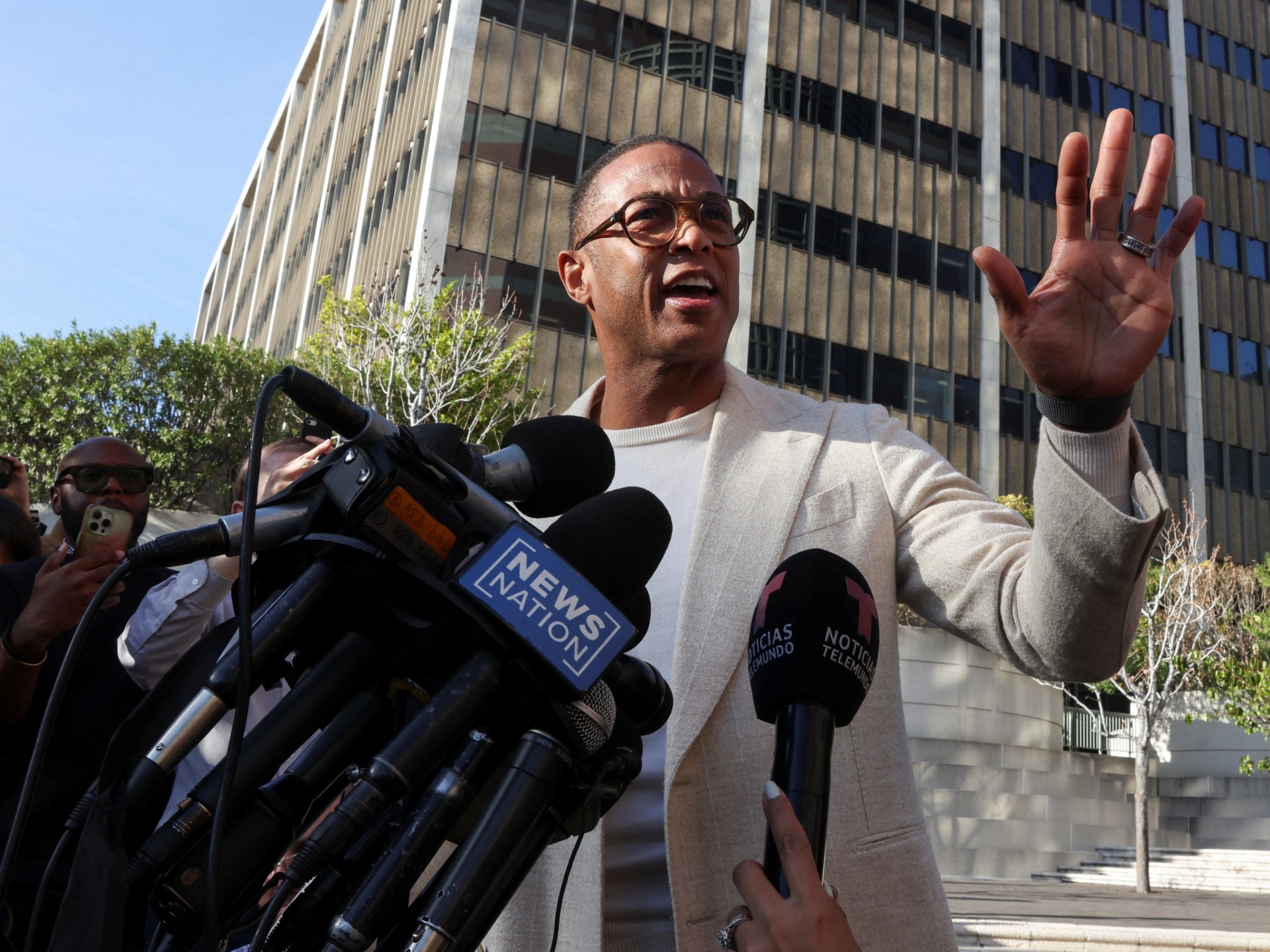
Some of those indicted deny even being a part of the January 18 protest. Defendants like former CNN anchor Don Lemon and reporter Georgia Fort say they attended in their capacity as journalists.
Advertisement
Both have pleaded not guilty to the charges and have publicly questioned whether their prosecution is an attempt to curtail freedom of the press.
The superseding indictment, filed on Thursday, levies two counts against the 39 defendants, accusing them of conspiracy against the right of religious freedom and efforts to injure, intimidate or interfere with the exercise of religious freedom.
“While inside the Church, defendants collectively oppressed, threatened and intimidated the Church’s congregants and pastors by physically occupying the main aisle and rows of chairs near the front of the church,” the indictment reads
It also describes the protesters as “engaging in menacing and threatening behavior” by “chanting and yelling loudly” and obstructing exits.
A magistrate judge on January 22 initially rejected the Justice Department’s attempt to charge nine attendees who were at the protest.
But the department sought a grand jury indictment instead, which was filed on January 29 and made public the next day.
A reaction to Trump’s immigration surge
The protest, dubbed “Operation Pullup”, was conceived as a response to the violent immigration crackdown that had unfolded in Minnesota.
Many of the enforcement efforts centred on the metropolitan area that includes the Twin Cities: St Paul and Minneapolis.
Trump had repeatedly blamed the area’s large Somali American population for a welfare fraud scandal involving government funds for programmes like Medicaid and school lunches.
In December, the Trump administration surged federal immigration agents to the region, nicknaming the effort Operation Metro Surge. At its height, as many as 3,000 agents were in the Minneapolis-St Paul area.
But the effort was plagued by reports of excessive violence towards detainees and protesters alike. Videos circulated of officers breaking the car windows of legal observers, pepper-spraying protesters and beating people.
Officers also engaged in the practice of entering homes forcibly without a judicial warrant, which advocates described as a violation of the Fourth Amendment of the Constitution. Cases of unlawful arrests were also reported.
But a turning point came on January 7, when an agent with Immigration and Customs Enforcement (ICE) was caught on camera shooting into the vehicle of 37-year-old mother Renee Good. She died, and her killing sparked nationwide protests.
Operation Pullup took place at Cities Church in St Paul less than two weeks later.
It was intended as a demonstration against the church’s pastor, David Easterwood, who serves as a local official for ICE.
Advertisement
Several protesters have indicated that they are prepared to fight the government’s charges over the incident, citing their First Amendment rights to free speech.
Some also said that they intended to remain vigilant towards government immigration operations, even after Trump administration officials announced Operation Metro Surge was winding down in mid-February.
“This is not the time to be Minnesota Nice,” one protester, civil rights lawyer Nekima Levy Armstrong, wrote on social media last week. “It’s time for truth, justice, and freedom to prevail.”
Related News
Former Israeli PM Barak responds to criticism over close Epstein links
Israel’s move to register land ‘systematises dispossession’ of Palestinians
Can the UN Security Council be reformed?